
Executive Summary
This weekly international logistics report covers global shipping updates from April 20–24, 2026, including Hormuz tensions, Panama Canal congestion, oil costs and new transport corridors.
International Key Updates
Strait of Hormuz: Tensions Persist After Temporary Reopening
Iran announced the conditional reopening of the Strait of Hormuz on April 17 during the Lebanon-Israel truce, triggering an immediate 10% drop in global oil prices (Brent crude fell to $88.96/barrel). Tensions escalated rapidly on April 19: Iran fired warning shots at an Indian oil tanker in the strait, while the U.S. Navy shelled and detained the Iranian cargo ship *TOUSKA*—which departed from Zhuhai, China, en route to the Middle East. Despite the official “reopening” notice, actual transit through the strait remains severely restricted. As a vital global energy corridor, it handles around 30% of the world’s seaborne crude oil and 20% of liquefied natural gas (LNG) shipments. For international carriers, rerouting via Africa’s Cape of Good Hope adds 7–10 days to average voyages, with freight rates and marine insurance costs doubling in the past week. Major European and American energy firms have adjusted their shipping schedules to avoid the region, further straining global energy supply chains.
New China-Caspian Strategic Logistics Corridor Launched
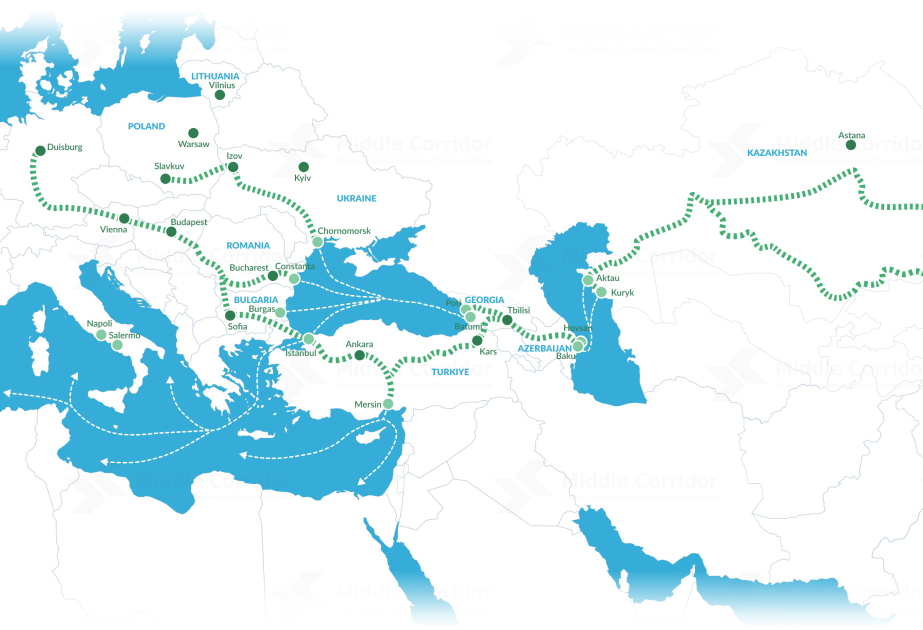
A key China-related development: On April 17, Chinese logistics firm HPF signed a cooperation memorandum with Turkmenistan’s State Logistics Center, launching a cross-border trucking and Caspian Sea green lane connecting China and Turkmenistan. This corridor serves as a stable alternative to the Iran-affected western route, aiming to boost the utilization of the China-Europe southern line, with trial runs already completed.
Container Carriers Adjust Routes Amid Middle East Risks
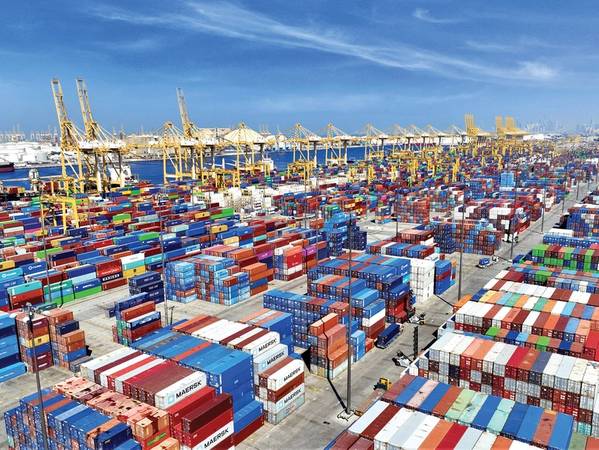
Overseas container carriers are proactively adjusting routes to mitigate risks from Middle East tensions. MSC, one of the world’s largest container shipping companies, revised its Asia-U.S. East Coast services on April 17 to enhance schedule reliability, adding two feeder vessels to reduce delays. Meanwhile, Taiwanese carriers Yang Ming and Wan Hai redirected all Middle East-bound cargoes to the UAE’s Port of Khor Fakkan—a major transshipment hub—to avoid potential disruptions in the Strait of Hormuz. Industry analysts note that the global shipping sector is accelerating “de-chokepoint” strategies, with carriers investing in diversified hub layouts and alternative routes across the Indian Ocean and Mediterranean to strengthen supply chain resilience. This shift is expected to reshape global shipping networks in the coming months.
Panama Canal Congestion Worsens, Bypass Fees Surge
Severe congestion at the Panama Canal continues to deteriorate, with vessel line-jumping fees surging to a record $4 million on April 17—more than four times the $1 million fee in early March. Prolonged drought and reduced water levels have left over 100 vessels waiting to transit the canal. In response, U.S. oil exporters have increased shipments via the canal, with volumes approaching a 4-year high, as Asian refiners shift from Middle Eastern crude to American supplies. European carriers are also rerouting some trans-Pacific cargoes via the Suez Canal—despite higher costs—to avoid Panama Canal delays. The congestion is expected to persist until the region receives substantial rainfall.
Cost Pressures Rise with High Oil Prices
High global oil prices have sparked cost pressures across the global logistics and manufacturing sectors. Overseas, European and American tire manufacturers have raised prices by 3%–6%, while in China, major tire makers including Zhongce and Sailun implemented 2%–5% price hikes in mid-April. Globally, butadiene prices have hit a 9-year high, with rubber additives surging nearly 30%—all driven by elevated oil prices. This cost inflation is rippling through supply chains, with logistics companies considering rate increases to offset higher fuel and raw material expenses.
Key Takeaways
· Overseas developments—particularly Middle East tensions and Panama Canal congestion—remain the primary drivers of global logistics volatility, pushing up freight and insurance costs.
· Alternative routes and diversified hub layouts are becoming increasingly critical for international supply chain resilience.
· China’s focus on developing cross-border corridors provides a stable supplement to global logistics networks, while oil-driven cost inflation continues to impact industries worldwide.
Leave a Reply