
Overall Weekly Summary
This weekly international logistics report covers global shipping updates from May 04–08, 2026, including route adjustments, freight rate fluctuations, geopolitical disruptions and trade policy changes. Middle Eastern geopolitical tensions acted as the dominant influencer, triggering route rerouting, soaring freight rates and widespread vessel delays. Furthermore, the downgraded navigation priority of Asian vessels at the Panama Canal aggravated trans-Pacific shipping congestion. On the positive side, China’s zero-tariff policy for African nations creates promising growth momentum for bilateral logistics. Overall, global supply chains are accelerating diversified transportation arrangements to hedge ongoing maritime risks.
Briefing News
MSC launches new route to bypass the Strait of Hormuz
Mediterranean Shipping Company (MSC), the world’s largest container shipping company, announced that a new express route from Europe to the Middle East will be launched on May 10. Adopting the mode of “sea transportation + Saudi land transit”, the new route avoids the turbulent Strait of Hormuz and transfers goods via cross-border highways in Saudi Arabia. As a key adjustment to evade Middle East geopolitical risks, the measure marks that the global shipping industry has entered a new transportation era without relying on the Strait of Hormuz.
Major shipping companies raise freight rates sharply
Since May, mainstream shipping enterprises including Maersk, CMA CGM, MSC and Hapag-Lloyd have implemented new freight rates. The fuel surcharge for Asia-West Coast US routes has increased by 70%, and the comprehensive freight rate for Asia-Northern Europe routes has risen by 30%-50%. Rising international oil prices and rerouting to avoid risky sea lanes are the main reasons for the continuous increase in shipping operating costs.
Maersk warns that Middle East conflicts disrupt global supply chains
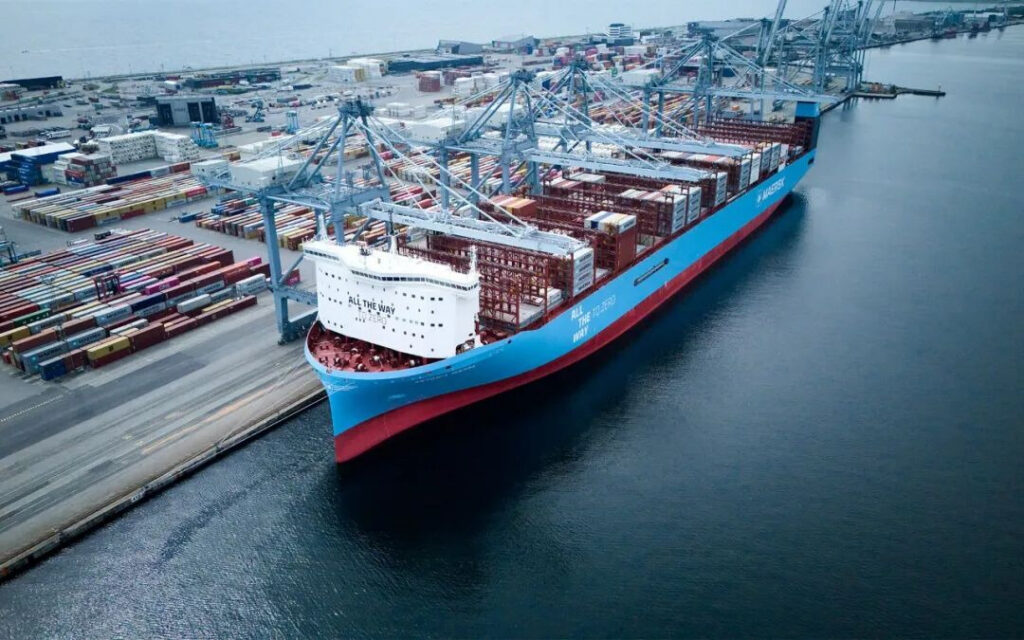
On May 7th, Maersk released its Q1 financial report and issued an industry warning. The report pointed out that Middle East armed conflicts have severely damaged two key shipping passages: the Red Sea and the Strait of Hormuz. Most Asia-Europe shipping routes have to sail around the Cape of Good Hope, resulting in longer transportation cycles and severe capacity losses. The stability of the global supply chain has dropped to a low level in recent years, and tight shipping space and high freight rates will continue in the second half of the year.
China-Africa zero-tariff policy boosts trade and logistics
On May 1st, China officially implemented a full-tax zero-tariff policy for 53 diplomatic African countries until 2028. Covering agricultural products, mineral resources and industrial products, the policy has greatly reduced the customs clearance cost of African imported goods. It will continuously stimulate China-Africa trade and drive the growth of sea and air logistics demand between China and Africa.
Panama Canal adjustment causes severe delays for Asian cargo ships
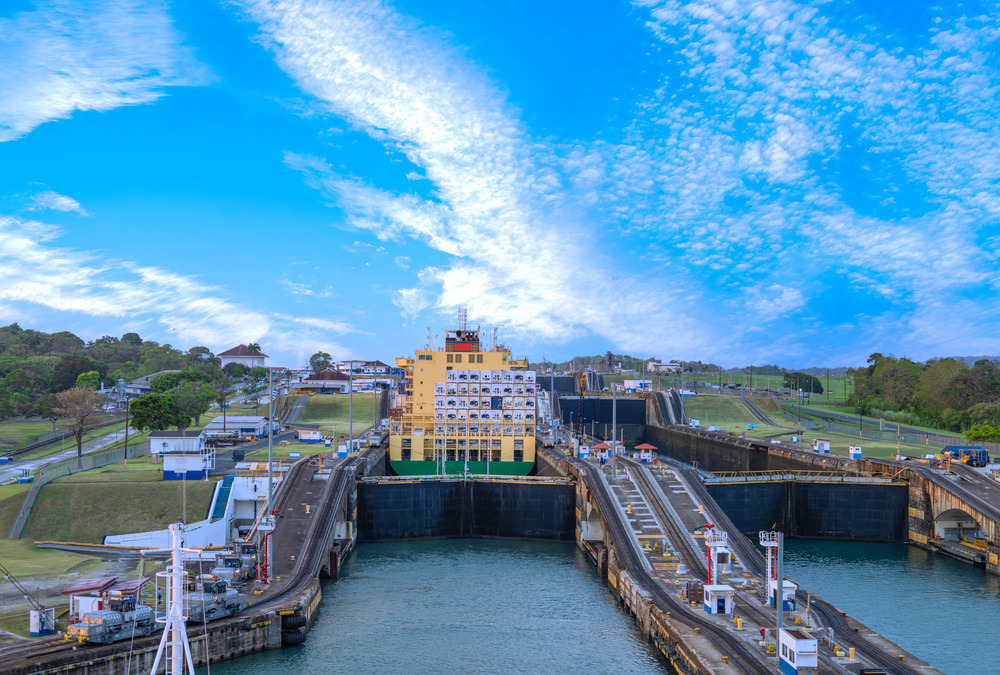
On May 7th, the Panama Canal Authority adjusted its traffic priority rules. European and American strategic vessels such as LNG and military cargo ships enjoy priority passage, while the priority of Asian container ships is downgraded. At present, the average waiting time for Asian cargo ships exceeds 30 days. Most China-East US routes have to change routes or adopt combined transportation of West US ports and inland railways, leading to lower logistics efficiency and higher transportation costs.
Recommendations for International Traders & Manufacturers
Based on the above logistics fluctuations, targeted suggestions are provided for international trading companies and factory clients.
Firstly, enterprises are advised to avoid congested shipping lanes such as the Panama Canal and the Strait of Hormuz in advance, and book shipping spaces earlier to prevent delivery delays.
Secondly, manufacturers should prepare for rising ocean freight rates and appropriately reserve logistics budgets to control export costs.
Thirdly, diversifying transportation alternatives, including land transshipment and alternative shipping routes, can effectively reduce supply chain risks.
Additionally, traders are encouraged to expand African markets to take advantage of the zero-tariff policy and gain new trade profits.
Lastly, it is necessary to keep track of real-time geopolitical news and shipping policies to make flexible adjustment on cargo shipment plans.


Leave a Reply